
Aluminium Facade Maintenance: Selection and Surface Care
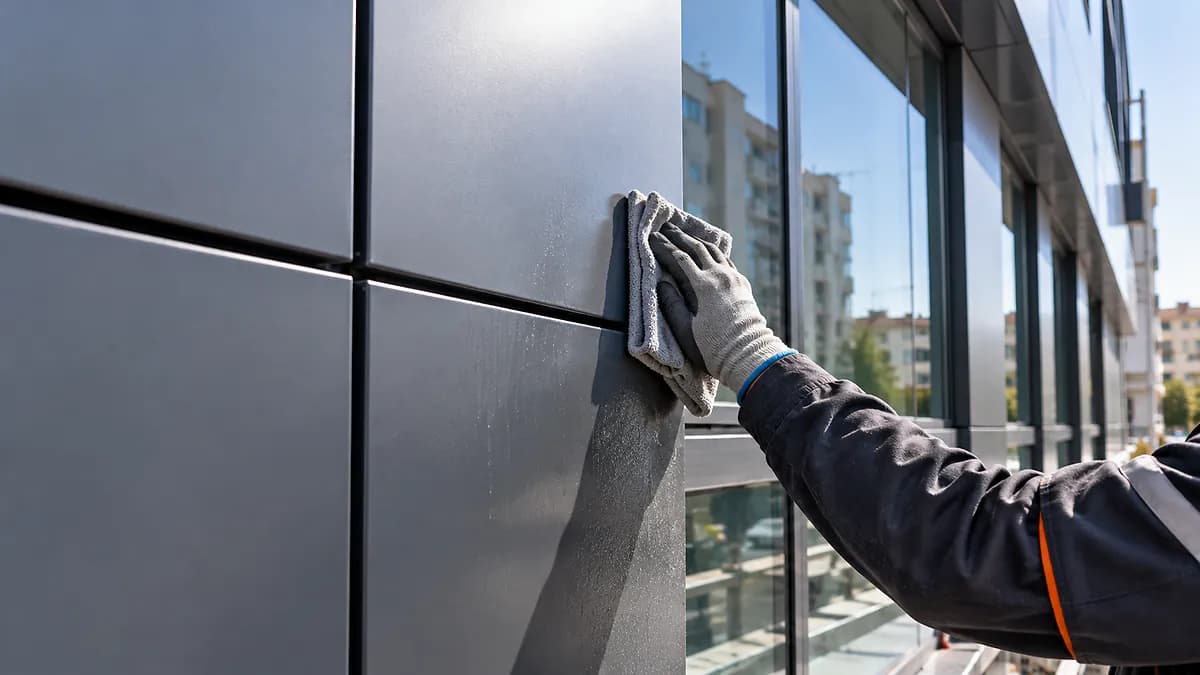
Aluminium facade maintenance involves more than keeping the visible panels clean. Finishes, joints, drainage provisions and signs of damage all require attention. A maintainable facade should therefore be considered during selection, not only after installation. A cleaning method unsuitable for the finish may affect its appearance, while an inaccessible detail can make routine checks difficult. Start with the product guidance and relate it to the building's surroundings and operation. Whether you are refurbishing a shop or a business property in Denizli, consider how the surface will be looked after as well as how it will look on opening day.
Ask maintenance questions while selecting the finish
Colour, gloss, texture and surface treatment can create different expectations of appearance and care. Review samples with attention to reflections, marks and the way surrounding dirt may become visible. This is an aesthetic assessment; technical information still determines where and how the product may be used. Request written guidance on appropriate cleaning and practices to avoid. Discuss the areas that must be reached for maintenance using the drawings. A finish you admire on a sample may be difficult to look after in a hard-to-access location. Connecting selection with access planning makes the practical implications visible before the order is placed.
Follow the instructions for the actual product
There is no single cleaning recipe appropriate for every aluminium surface. Coated, anodised and other finishes may have different care requirements. Products, equipment, application and rinsing should follow the relevant manufacturer's guidance. Do not use abrasive tools or aggressive chemicals without confirming compatibility. A test on a small area is meaningful only after a suitable method has been established. For high or inaccessible parts of a building, competent facade maintenance teams should plan the work. Safe access is a separate requirement from the amount of dirt on the surface, and it should not be improvised because a patch appears easy to reach.
Adapt the programme to the surroundings
Traffic, nearby industrial activity, dust and building position can affect what accumulates on a facade. Rather than copying an arbitrary cleaning interval, establish a programme through observation and the product instructions. Record cleaning dates and changes in appearance. Repeated marks in the same place may relate to the path of water as well as surface contamination. Good records assist investigation; intervening before the cause is understood can make the pattern harder to interpret. Include recent alterations and components attached to the facade in those records. Changes around the building may also justify reviewing the programme instead of continuing it unchanged.
Pay attention to joints and drainage details
Maintenance is not limited to wiping flat panels. Corners, window surrounds, joints and designed drainage paths also matter. Do not block an opening merely because its purpose is unclear or it collects dirt. If you notice separation, blistering or displacement, photograph it and contact the appropriate installer. Filling a joint with an arbitrary material can interfere with water management rather than solve the problem. Distinguish an owner's observation from a technical repair. The cause, compatible repair products and method should be established by competent people before changes are made to the facade assembly or to its intended drainage arrangement.
Cleaning is not a structural inspection
A clean surface does not establish that the connections and supporting construction are sound. Unusual noise, visible movement, impact damage or displaced components may require technical assessment. Owners should not pull at components or remove them to investigate. A suitable response is to consider access around the affected area and seek competent assistance. Decisions concerning connections and supporting structure must be confirmed by an authorised engineer for the project and the applicable requirements in Turkey. Maintenance records should distinguish what was observed from the conclusion reached and the work performed, rather than treating those as a single undocumented event.
Compare the operating conditions
Shopfront: Appearance, display access and maintenance during opening hours need coordination.
Business premises: Local contamination, delivery movements and access to elevated areas may influence the plan.
Residential building: Window operation, shared responsibilities and safe access need clear agreement.
The same finish may face different conditions in different settings. Do not assume that a maintenance arrangement can be copied because another building looks similar. Our guide to aluminium facade types helps connect the choice of system with the way the building will be used and maintained after installation.
Keep a useful handover file
Retain the product description, finish information, maintenance instructions and access arrangements together. Include relevant information about supplementary components, which may differ between projects. A colour reference alone may not identify the correct cleaning or repair method later. If a business changes its maintenance contact, the same information should be passed to the new person. Recording cleaning and interventions can help identify recurring issues. When discussing our facade installation service, ask how these documents are included in the handover. This makes maintenance a defined part of building management rather than a vague responsibility remembered only when a problem appears.
Frequently asked questions
Can all aluminium facades use the same cleaner?
No. The finish and its manufacturer's guidance matter. A product used on one surface should not automatically be applied to another coating. Confirm both the method and product compatibility, and consult the supplier or maintenance team where the information is uncertain.
How often should the facade be cleaned?
A single interval does not suit every building. Consider surroundings, product instructions and observed contamination together. Keeping a record allows the programme to be reviewed when conditions change, rather than continuing an unsuitable schedule without an explanation.
Can an owner repair a small scratch?
First establish the extent of damage and the appropriate repair approach. Random paint or chemicals may create a more noticeable difference. Agree a product-compatible solution with the installer and record the intervention in the maintenance file.
To discuss finish selection or an existing surface, share photographs and building use through the contact page. Include maintenance access in your conversation with Hünerli Metal so it forms part of the practical project brief.